Track Record

Newport Financial Center
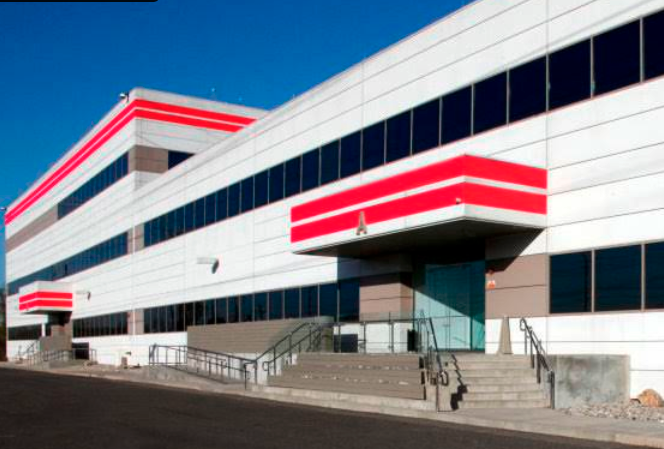
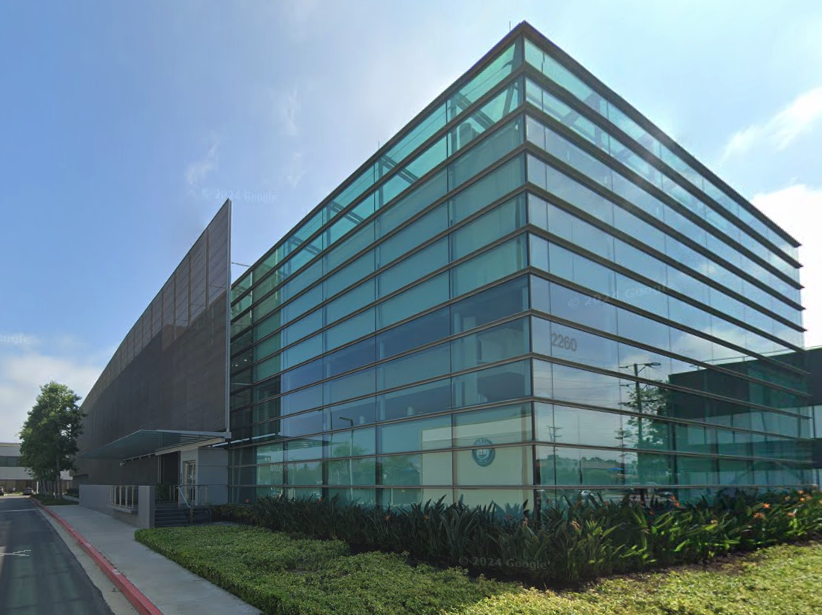
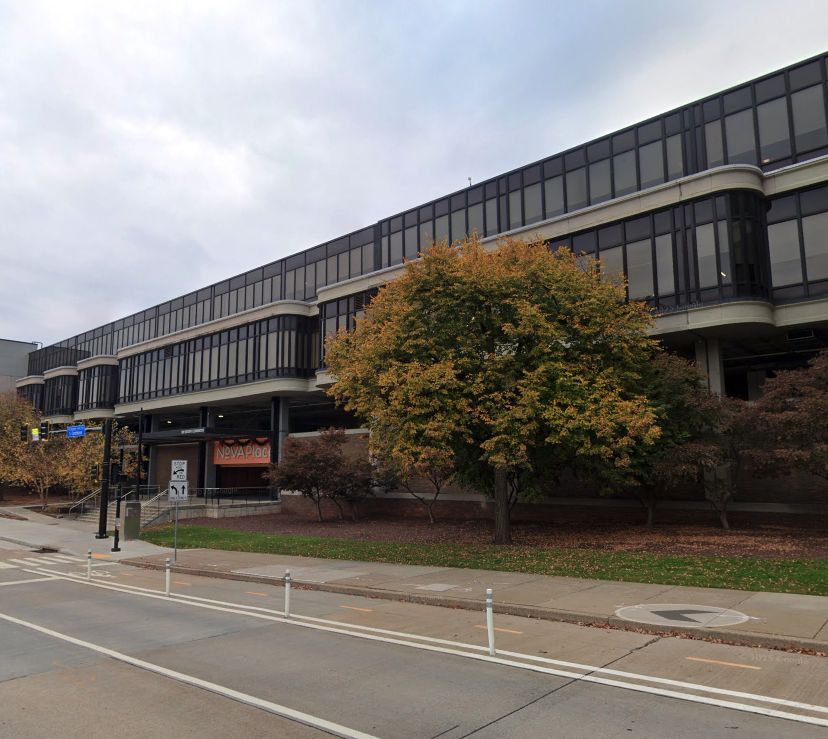
The Newport Financial Center was transformed in 1988 by developers Samuel J. LeFrak and Melvin Simon from a derelict Erie Railroad yard into a premier high-tech data hub.
Designed with heavy floor-loads, high power capacity, and massive fiber redundancy, the facility quickly grew into a multi-tower office center, earning the nickname "Wall Street West."
In the immediate aftermath of the September 11, 2001 attacks, the center played a critical role in the resilience of the global economy; as lower Manhattan's financial infrastructure was severely disrupted, major Wall Street institutions seamlessly migrated their trading desks, backup systems, and back-office banking operations to the secure, ready-to-go Newport facilities.
This pivotal post-9/11 migration permanently solidified the Newport Financial Center as an indispensable component of the tri-state area’s financial safety net and corporate footprint.

Philadelphia Carrier Hotel
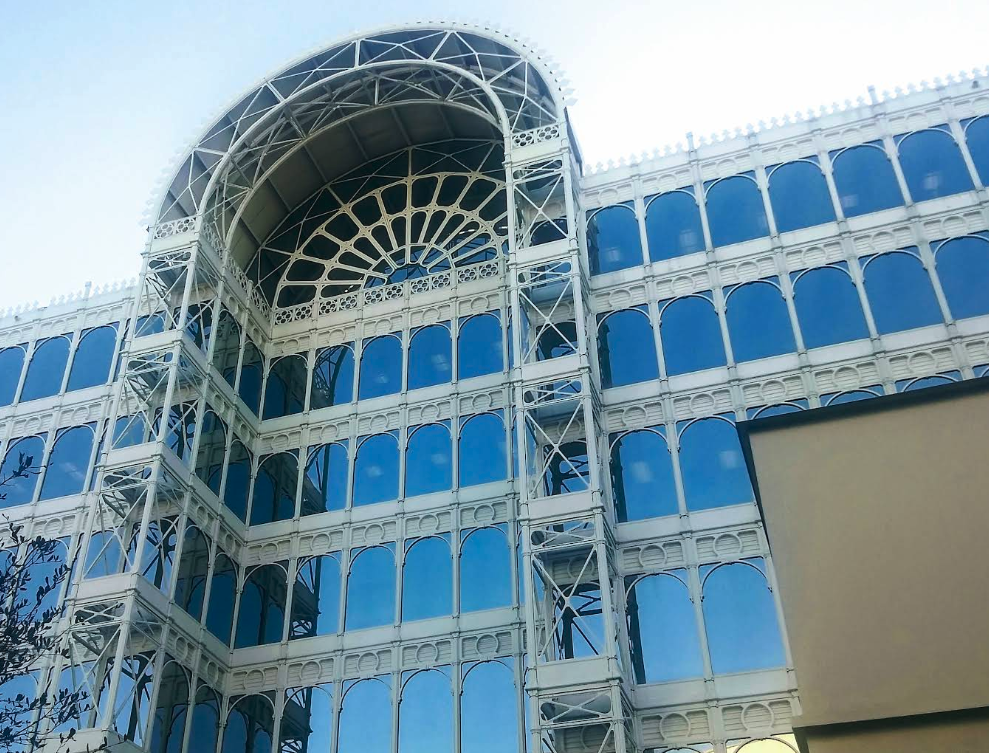
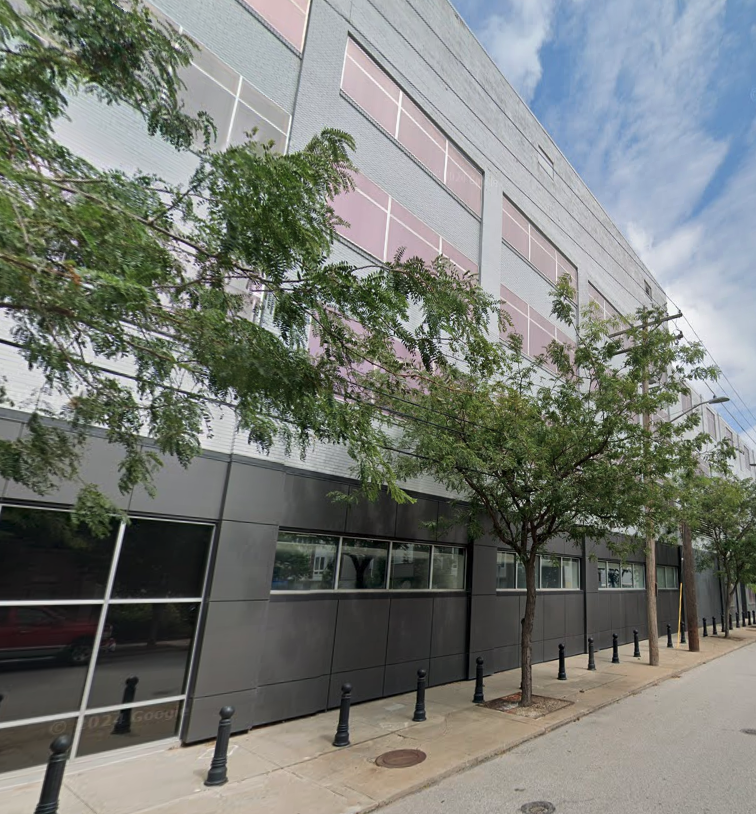
The Carrier Hotel at 1309 Noble Street is a premier 224,000-square-foot network interconnection hub and colocation data center that anchors Philadelphia's regional digital infrastructure.
Originally built in 1927 for the Lasher Printing Company, the building’s heavy reinforced concrete floors and industrial design allowed for a seamless tech transition, enabling it to easily support massive backup diesel generators, cooling towers, and high-density server racks.
Strategically positioned near key transit rights-of-way that house major long-haul fiber optic lines, the facility serves as a vital network crossroads. It provides enterprise tenants, telecom giants like Crown Castle, and network providers with high-capacity redundant power feeds, carrier-neutral meet-me rooms, and direct, low-latency connectivity between the New York and Washington, D.C. technology corridors.

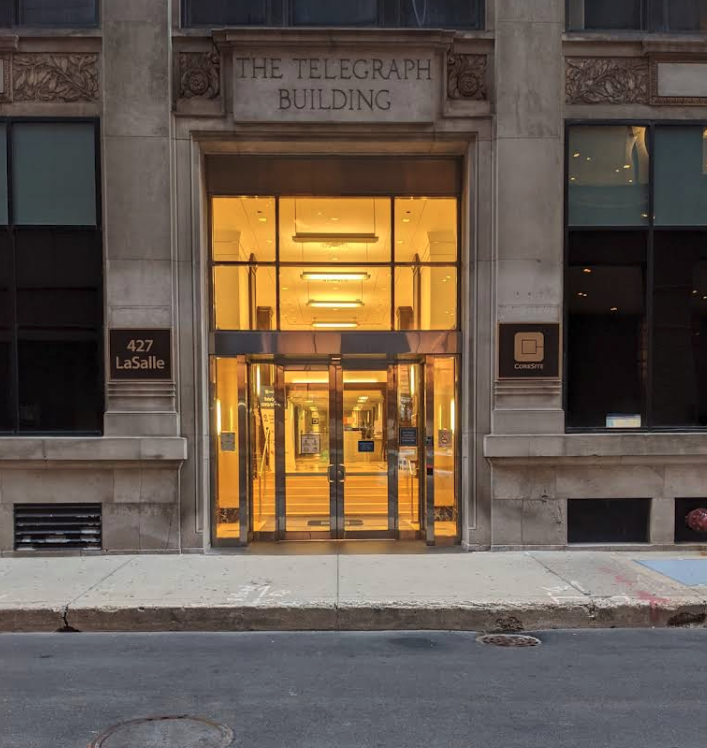
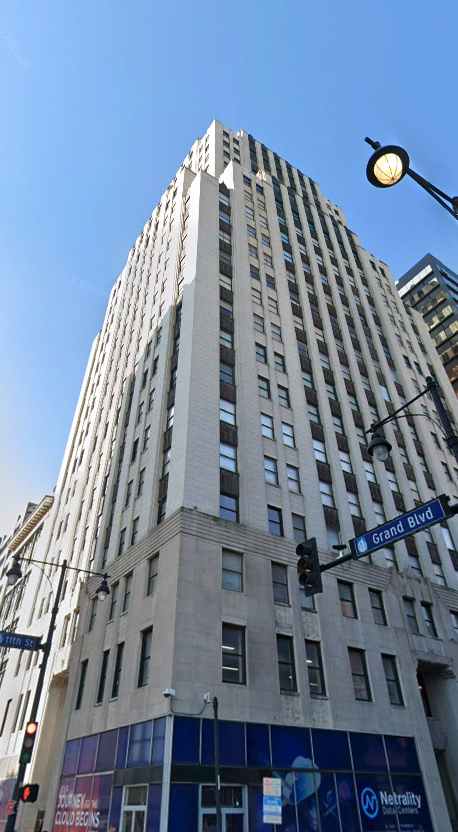
60 Hudson Street
Ste. 1602
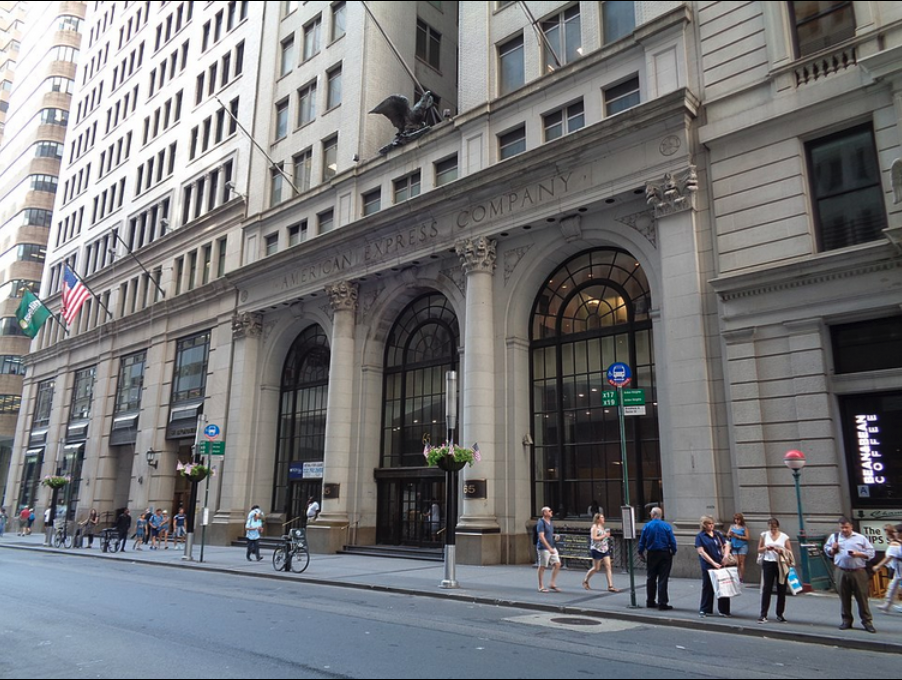
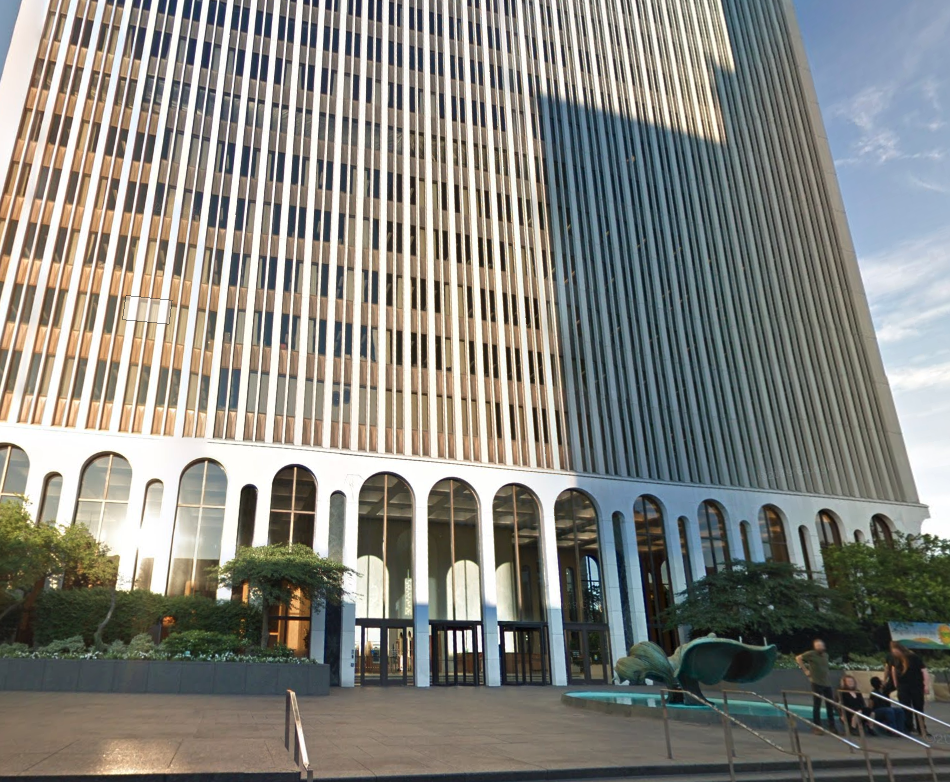
60 Hudson Street in New York City is globally recognized as the ultimate "carrier hotel" and the physical nerve center of worldwide internet connectivity, handling a massive portion of transatlantic data traffic.
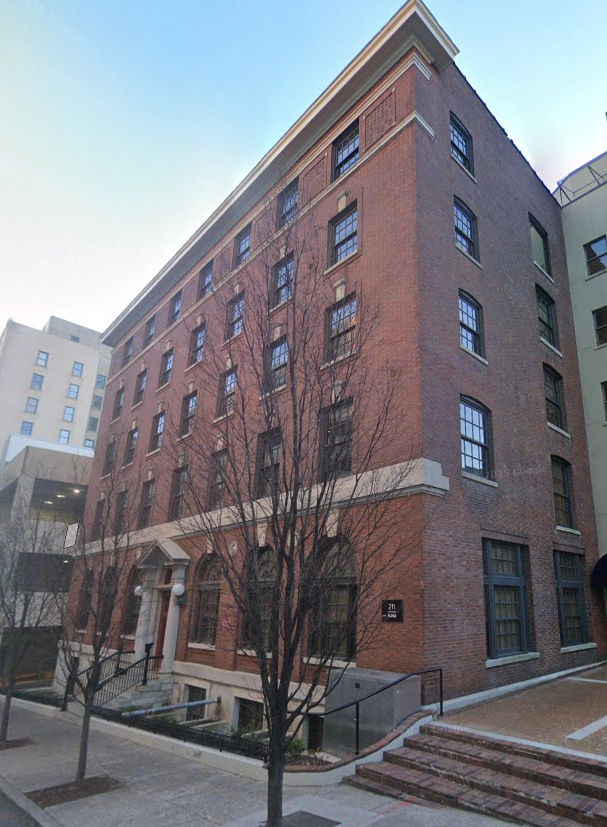
Originally completed in 1930 as the Art Deco headquarters for Western Union, the building’s industrial engineering—including immense floor load capacities of up to 1.5 tons per square foot and a massive 55-megawatt power grid—made it perfectly suited to transition into a high-density data fortress.
The tower’s true global power lies in its carrier-neutral "Meet-Me" rooms, where over 400 telecommunications carriers, internet service providers, and cloud giants physically converge to exchange traffic.
Operating as a critical localized engine within this massive ecosystem, Suite 1602 historically housed the Equinix NY8 International Business Exchange (IBX) data center and the Equinix Financial eXchange.
This 18,236-square-foot facility acted as a highly specialized, ultra-low latency nexus for high-frequency trading firms and financial service providers, later transitioning into a QTD Systems facility while continuing to provide direct, micro-second access to the global network backbone running throughout the rest of the building.